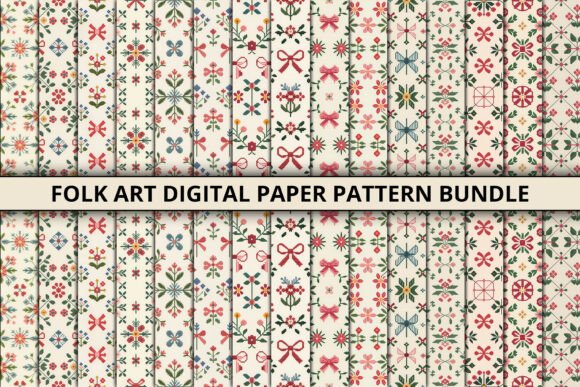
Folk Art Paper Pattern Bundle: Patterns for Branding
As a brand designer and content marketer, I am constantly scouting for graphic design assets that strike the delicate balance between artistic flair and commercial viability. When I first opened the Folk Art Paper Pattern Bundle, my immediate impression was one of warmth and tactile authenticity. In an era where digital fatigue is real, this collection offers a refreshing return to handcrafted aesthetics. It does not scream for attention with neon brightness; instead, it invites the viewer in with subtle textures and organic motifs. For brand owners and creative entrepreneurs, this mood is invaluable. It suggests heritage, care, and human touch—qualities that significantly boost audience trust in lifestyle, handmade, and wellness sectors.
Integrating Folk Motifs into Modern Marketing Workflows
To test the practical value of this design bundle, I imagined a real-world scenario: a small business launching a seasonal herbal tea line. The goal was to create a cohesive visual identity that felt premium yet approachable. The Folk Art Paper Pattern Bundle became the backbone of this campaign. We used the lighter, more subdued patterns as backgrounds for social media graphics on Instagram and Pinterest. The result was a feed that felt curated and consistent, rather than chaotic. These Patterns provided enough visual interest to stop the scroll but remained neutral enough to let the product photography shine.
Beyond social media, the asset proved versatile for packaging design. We applied a dense, intricate pattern to the interior of the box, creating a delightful unboxing experience. This small detail transformed a simple transaction into a memorable brand interaction. For the product label, we used a simplified version of the motif as a border element, ensuring the text remained legible while adding a layer of professional branding. This demonstrates how a single digital product can span multiple touchpoints, from digital ads to physical printable design elements.
Enhancing Visual Hierarchy and Audience Engagement
One of the biggest challenges in content marketing is maintaining visual hierarchy without sacrificing beauty. The Folk Art Paper Pattern Bundle supports this by offering varying levels of complexity. Some files feature bold, high-contrast illustrations suitable for hero graphics or campaign headers, while others offer subtle, paper-like textures ideal for email banners or blog backgrounds. By strategically placing these assets, we guided the viewer’s eye naturally through the layout. The organic shapes soften the rigid grids often found in web design and editorial design, making the content feel more inviting.
For bloggers and publishers, these assets are a goldmine for creating distinctive marketing visuals. Whether you are designing lead magnets, media kits, or Canva template structures, the folk art style adds a unique signature that competitors using generic stock photos lack. This distinctiveness fosters stronger brand recognition. When audiences see these specific textures and motifs repeatedly across your brand identity materials—from stickers to website headers—they begin to associate that aesthetic with your values. This emotional connection is crucial for converting casual browsers into loyal customers.
Strategic Placement and Design Limitations
While the Folk Art Paper Pattern Bundle is powerful, it is not a universal solution. As a designer, I must advise caution when using these assets in formal corporate branding or data-heavy layouts. The intricate details can become visual noise if placed behind dense text or in small mobile graphics where resolution matters. For text-heavy ads, it is best to use the patterns as accent borders or footer elements rather than full backgrounds. Additionally, brands aiming for a stark, ultra-minimalist aesthetic might find the organic nature of these illustrations clashes with their clean lines.
It is also vital to consider contrast. If your brand colors are muted, ensure the pattern provides enough differentiation from the foreground elements. I recommend testing the SVG design and PNG design files against your specific palette. In some cases, reducing the opacity of the pattern or converting it to a monochrome version can help it integrate seamlessly without competing with the main message. This careful adjustment ensures the asset enhances rather than overwhelms the design.
Practical Notes for Designers and Content Creators
Before deploying the Folk Art Paper Pattern Bundle in a paid campaign or client work, there are several technical checks to perform. First, verify the commercial license terms to ensure compliance with your usage rights, especially if you are selling digital product visuals or physical merchandise. Next, test the scalability. While clipart and vector-based files scale infinitely, rasterized PNGs may lose clarity if enlarged too much for posters or large format prints.
Typography pairing is another critical consideration. These folk motifs pair beautifully with serif fonts that echo traditional print, as well as handwritten fonts that reinforce the handmade vibe. However, they can also create an interesting tension when paired with modern sans serif or display font styles, bridging the gap between old-world charm and modern design. Always preview your designs on actual devices. A pattern that looks balanced on a desktop monitor might appear cluttered on a smartphone screen. Adjust spacing and balance accordingly to maintain readability and aesthetic appeal.
Finally, compare your final compositions against competitor visuals in the creative marketplace. Does your use of the Folk Art Paper Pattern Bundle make your brand stand out? Does it communicate the right emotional tone? By treating these design assets as strategic tools rather than mere decorations, you elevate your small business branding from amateur to professional. Whether you are creating event flyers, merchandise, or logo design accents, this bundle offers the flexibility needed to craft compelling, cohesive narratives that resonate with your target audience.