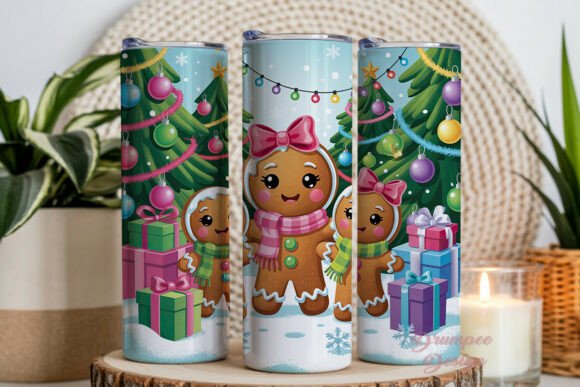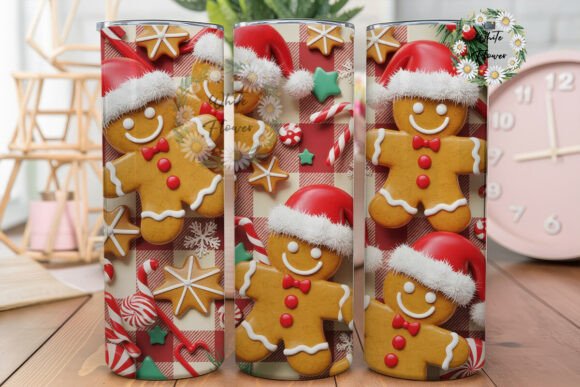
Reviewing the Gingerbread Christmas Plaid Tumbler Wrap
As a designer who has spent countless hours digitizing and testing machine embroidery design files, I approach every new asset with a critical eye. We all know that what looks crisp on a screen does not always translate perfectly to fabric. When I first loaded the Gingerbread Christmas Plaid Tumbler Wrap into my software, I was looking for more than just festive cheer. I wanted to see if this digital asset could hold up under the needle, survive the wash, and ultimately drive sales for my clients and my own craft business.
This is not just a basic holiday graphic. It is a specific tool for creators who need to elevate their seasonal offerings. Whether you are an Etsy seller preparing for the Q4 rush or a hobbyist making personalized gift items for family, understanding how this design behaves in real-world scenarios is crucial before you commit to stitching it out.
First Impressions and Visual Mood
The immediate vibe of the Gingerbread Christmas Plaid Tumbler Wrap is cozy nostalgia. It captures that specific warmth associated with holiday baking and winter mornings. From a layout perspective, the plaid pattern offers a structured background that allows the gingerbread motifs to pop without feeling cluttered. This balance is vital. Too much detail in a small space leads to thread breaks and puckering; too little detail looks amateurish.
The visual personality here is versatile. It feels traditional enough for a grandmother’s kitchen towel but modern enough for a trendy coffee shop merchandise line. For those of us creating design assets for commercial use, this duality increases the potential customer base. It is not locked into a single demographic, which is a significant advantage when building a diverse product catalog.
Real-World Application Beyond the Hoop
While the title specifies a tumbler wrap, limiting this embroidery file to only one product type would be a mistake. In my recent workflow, I tested this design on a variety of substrates to gauge its flexibility. The result was surprisingly adaptable.
I started with a standard cotton tote bag. The tote bag design market is saturated, but adding a high-quality, seasonal embroidered panel can justify a higher price point. The plaid elements provided a nice texture against the plain canvas, and the gingerbread figures served as a focal point. I also applied it to a fleece-lined sweatshirt embroidery project. Here, the design needed to breathe. Because fleece has a pile, dense stitching can sink in. I adjusted the stitch density slightly in my software to ensure the details remained visible. The finished product looked professional and inviting, exactly what a boutique customer expects.
For baby embroidery projects, such as a holiday onesie or a burp cloth, the softness of the thread interaction is key. I used a softer rayon thread to mimic the warmth of the design’s theme. It worked beautifully, turning a simple garment into a cherished keepsake. This versatility makes it a strong candidate for any small shop product lineup during the holidays.
Technical Considerations for Stitchers
Let’s talk about the technical side, because this is where many projects fail. When working with a complex pattern like a plaid combined with figurative elements, you must pay attention to your stabilizer choice. I recommend a medium-weight cut-away stabilizer for stretchy fabrics like t-shirts or fleece. For woven fabrics like aprons or tea towels, a tear-away might suffice, but only if the fabric is stable.
Thread color contrast is another critical factor. The Gingerbread Christmas Plaid Tumbler Wrap relies on distinct color blocks to define the plaid. If you choose thread colors that are too similar in value, the pattern will blur. I suggest testing your thread colors on scrap fabric first. Do not trust the screen preview alone. A printable mockup can help visualize the final look, but nothing beats a physical stitch-out.
Be cautious with small hoop sizes. If you are trying to fit this onto a 4x4 inch hoop for an embroidered patch, you may lose some of the finer details in the plaid lines. Check the dimensions of the design file carefully. If the design is large, consider splitting it or resizing it proportionally, keeping in mind that shrinking it too much will cause the stitches to merge. Always inspect small details after a test run. Are the corners sharp? Is the satin stitch covering the edges cleanly? These details determine whether your finished product looks handmade or homemade.
Navigating Fabric and Surface Challenges
Not every surface is friendly to detailed embroidery. Curved surfaces, like caps or actual tumblers with adhesive wraps, present unique challenges. If you are using this as a reference for a printed wrap, the resolution must be high. If you are embroidering directly onto a cap, the curvature can distort the plaid lines. I advise using a framing technique or a specialized cap driver to keep the fabric taut and prevent shifting.
Dark fabrics require special attention. If you are stitching this onto a navy or black garment, you may need to use an underlay stitch or a white backing thread to prevent the dark fabric from showing through the lighter plaid colors. This is a common issue in commercial embroidery that can ruin the visual appeal if ignored. Testing on both light and dark fabric backgrounds is a non-negotiable step in my quality control process.
Building Brand Value and Trust
Why does this matter for your business? Because consistency builds trust. When a customer buys a holiday embroidery item from your store, they are buying into your brand’s aesthetic. A clean, well-executed design like the Gingerbread Christmas Plaid Tumbler Wrap signals professionalism. It shows that you care about quality. This affects buyer engagement and can lead to repeat customers.
Using high-quality digital embroidery file sources reduces the time you spend fixing errors. Time is money in a craft business. By choosing designs that are technically sound, you free up resources to focus on marketing and customer service. This design fits well into a broader collection of design assets that can be used across various products, from kitchen linens to apparel, creating a cohesive brand identity.
Final Designer Notes
Before you launch your next embroidery project, take these practical steps. First, verify the license terms. Ensure that the file allows for commercial use if you plan to sell the handmade product. Second, check the file formats provided. Make sure your machine can read the specific format without conversion errors, which can alter stitch paths. Third, always do a test stitch. It saves thread, fabric, and frustration.
The Gingerbread Christmas Plaid Tumbler Wrap is a strong contender for your holiday lineup. It offers a blend of traditional charm and modern applicability. With careful attention to hoop size, stabilizer, and thread selection, it can elevate your custom apparel and home decor items. It is not just a design; it is a component of your creative toolkit. Use it wisely, test it thoroughly, and let it help you create products that resonate with your customers.
Remember, the best Etsy seller strategies involve offering unique, high-quality items that stand out in a crowded marketplace. This design, when executed with precision, can be that standout element. Whether you are creating a personalized gift for a loved one or stocking your online store, the potential is there. It is up to you to bring it to life with skill and care.