Reviewing the Vintage Barber Tool Pattern Tumbler Wrap
As a designer who has spent years translating digital concepts into thread, I approach every new machine embroidery design with a mix of curiosity and skepticism. We have all seen files that look stunning on a screen but turn into a tangled mess of puckered fabric once the needle hits the hoop. Recently, I had the chance to evaluate the Vintage Barber Tool Pattern Tumbler Wrap. While the name suggests a specific application for drinkware, my focus was on determining its viability for broader textile applications, from custom apparel to boutique home goods.
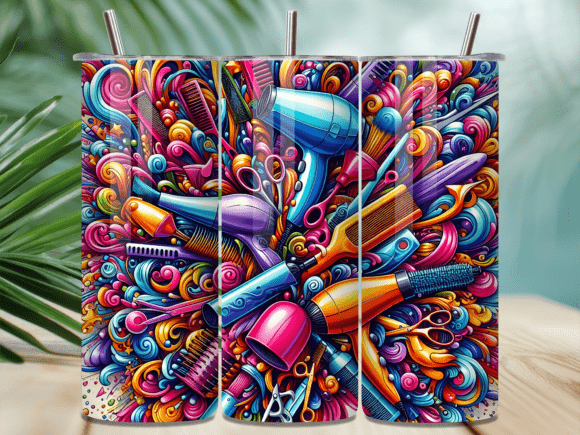
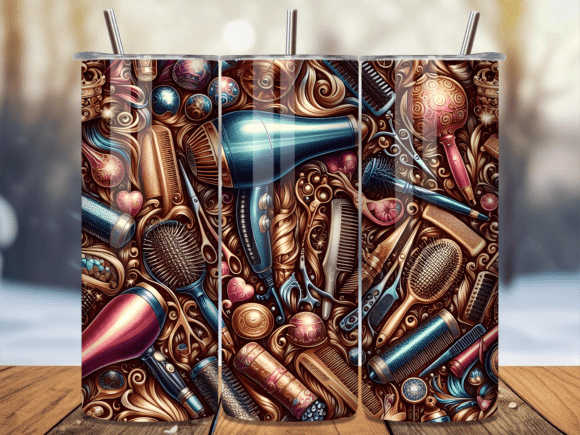
The first impression of this design is one of nostalgic craftsmanship. The layout features classic barbering instruments—scissors, combs, and straight razors—arranged in a cohesive, repeating pattern that evokes the atmosphere of a traditional shop. For an embroidery designer, the immediate question is not just about aesthetics, but about execution. How do these intricate shapes translate into satin stitch and fill stitch without losing definition? In my initial assessment, the visual personality of the Vintage Barber Tool Pattern Tumbler Wrap leans heavily into a rugged, masculine aesthetic, making it a strong candidate for projects that require a touch of vintage authority.
Real-World Application Beyond the Cup
While categorized under Tumbler Wraps, limiting this asset to sublimation or vinyl wraps would be a missed opportunity for those of us working with thread. I tested the concept mentally against a recent client request for a line of artisanal aprons for a local barbershop chain. The repeating nature of the pattern makes it ideal for larger surface areas where a single motif might feel isolated. Imagine this design stitched across the bottom hem of a heavy canvas apron or as a border on a shop towel. The thematic consistency builds brand recognition, turning a simple utility item into a piece of professional merchandise.
For the Etsy seller or small shop owner, versatility is key. This design could easily adapt to a tote bag design for a grooming kit, adding value to a handmade product. When considering sweatshirt embroidery, the pattern works well as a chest pocket accent or a sleeve detail. However, scale is critical. A design intended for a curved tumbler surface may need significant resizing to work on flat fabric. If you are planning to use this for a baby embroidery project, such as a onesie for a "future barber," you must ensure the details remain clear at a smaller scale. Tiny elements can become dense blobs if the stitch density is too high for the reduced size.
Technical Considerations for Stitching Success
Before loading any digital embroidery file into your machine, practical due diligence is required. The Vintage Barber Tool Pattern Tumbler Wrap likely contains a mix of fine lines and solid fills. Scissors and razor blades require precise satin stitching to maintain sharp edges, while handles may use fill stitches for coverage. Here are the technical factors I prioritize when evaluating such a pattern:
- Stitch Density: Check if the design is too dense for lightweight fabrics. High density on a thin cotton tee can cause puckering and distortion.
- Stabilizer Choice: For textured fabrics like towels or denim, a cut-away stabilizer is often necessary to support the weight of the thread and prevent shifting during washing.
- Thread Colors: The vintage vibe relies heavily on color palette. Metallic threads for the blades can add realism, but they are fragile. Standard polyester threads in silver or gray may offer better durability for commercial embroidery projects.
- Hoop Size: Ensure your hoop can accommodate the full repeat if you plan to tile the pattern. Smaller hoops may require careful alignment to avoid visible breaks in the design flow.
I always recommend testing the design on scrap fabric first. Do not skip this step. Run a test on the same material you intend to use for the finished product. Inspect the back of the embroidery for excessive pull compensation or loose jumps. If the design includes tiny lettering or intricate corners, verify that your machine’s resolution can handle the detail without thread breaks.
Navigating Fabric and Surface Challenges
Not every surface is friendly to complex embroidery. While the Vintage Barber Tool Pattern Tumbler Wrap shines on stable, medium-weight fabrics, it requires caution elsewhere. Stretchy fabrics, such as jersey knits used in t-shirts, can distort the geometric precision of the barber tools. In these cases, using a high-quality tear-away or cut-away stabilizer is non-negotiable. Additionally, dark fabrics present a challenge for visibility. If the design relies on subtle shading, ensure there is enough contrast between the thread colors and the fabric background. A black-on-black approach might look sophisticated in a mockup, but it can disappear in real life unless texture is emphasized through stitch direction.
Curved surfaces, like caps or hats, introduce another layer of complexity. The rigid structure of a cap front panel can handle dense stitching, but the curvature can distort wide patterns. If adapting this design for headwear, consider isolating a single element—like a pair of crossed scissors—rather than using the full wrap pattern. This maintains the theme while respecting the physical limitations of the garment.
Enhancing Brand Value and Customer Trust
For creative entrepreneurs, the quality of your embroidery directly impacts perceived value. A clean, well-digitized design signals professionalism. When customers see crisp edges and consistent tension in your embroidered patch or custom apparel, they trust the durability of the product. The Vintage Barber Tool Pattern Tumbler Wrap, when executed correctly, adds a layer of artisanal charm that mass-produced prints cannot replicate. It transforms a generic item into a personalized gift or a premium boutique product.
However, transparency is vital. Always confirm licensing terms before selling finished items. Some designers allow commercial use for physical products but restrict the resale of the digital embroidery file itself. As a responsible craft business owner, reviewing these terms protects your shop from legal issues and respects the original creator’s work. If you are creating printable mockups for your online store, ensure the digital representation accurately reflects the stitched reality to avoid customer disappointment.
Final Verdict for the Modern Maker
The Vintage Barber Tool Pattern Tumbler Wrap is more than just a decorative element for drinkware; it is a versatile design asset for those willing to adapt it thoughtfully. Its strength lies in its thematic clarity and nostalgic appeal. For the hobbyist, it offers a fun challenge in mastering complex shapes. For the commercial embroiderer, it provides a unique niche product for grooming-related businesses.
Remember, the success of any embroidery project depends on the synergy between design, material, and technique. Take the time to adjust stitch density, choose the right stabilizer, and test your thread colors. By treating this design with the respect it deserves, you can create finished products that stand out in a crowded market. Whether you are stitching a holiday embroidery gift for a dad who loves classic styles or producing a run of branded towels for a local shop, this pattern has the potential to deliver high visual impact when handled with professional care.