Reviewing the Grey Plaid Digital Seamless Pattern for Stitch
As a designer who has spent years translating digital concepts into thread, I approach every new machine embroidery design with a mix of curiosity and caution. We have all seen files that look stunning on a screen but turn into a tangled mess under the needle. Recently, I had the opportunity to evaluate the Grey Plaid Digital Seamless Pattern. This is not just another generic grid; it is a thoughtful arrangement of lines and textures that speaks to modern rustic aesthetics. My goal here is to walk you through how this pattern performs in real-world scenarios, helping you decide if it belongs in your next embroidery project.
First Impressions: Mood and Visual Personality
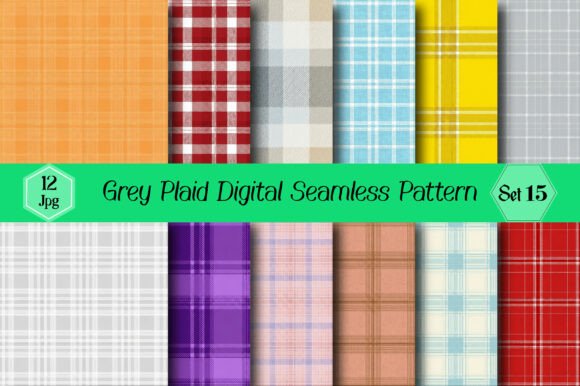
The first thing that strikes me about the Grey Plaid Digital Seamless Pattern is its understated elegance. It avoids the harsh, high-contrast look of traditional tartans, opting instead for a softer, more nuanced palette. The mood is calm, organized, and slightly nostalgic, reminiscent of cozy autumn mornings or well-worn flannel shirts. For an embroidery designer, this visual personality is crucial. It suggests versatility. It does not scream for attention like a neon logo might; rather, it invites closer inspection.
The layout features intersecting lines that create a sense of depth without excessive complexity. In terms of detail level, it strikes a balance. It is intricate enough to look professional and high-value, yet open enough to prevent the fabric from puckering excessively. This makes it an excellent candidate for both custom apparel and home decor items where texture plays a significant role in the final appeal.
Real-World Application: From Screen to Stitch
To truly test the viability of this design, I imagined a specific client request: a set of personalized tote bags for a boutique coffee shop launching a winter blend. The client wanted something that felt artisanal but not overly busy. I visualized using the Grey Plaid Digital Seamless Pattern as a background element or a large central panel on a heavy canvas tote bag design.
In this scenario, the pattern shines. The grey tones complement natural cotton and linen beautifully. When stitched out, the interplay of satin stitch borders and fill stitch interiors would create a tactile surface that customers love to touch. It elevates a simple bag into a handmade product that feels curated. Beyond tote bags, I can see this working exceptionally well for sweatshirt embroidery. A subtle plaid pocket accent or a sleeve detail on a neutral hoodie adds a layer of sophistication that appeals to adult buyers, moving away from childish motifs toward mature, stylish design assets.
For Etsy sellers and small shop owners, this pattern offers a unique selling point. It fits seamlessly into trends favoring cottagecore, minimalism, and gender-neutral styles. Whether used for baby embroidery on a soft muslin blanket or as a decorative band on a kitchen apron, the design maintains its integrity. It does not look out of place on delicate fabrics nor does it get lost on heavier materials.
Navigating Technical Challenges
However, no design is without its quirks. When working with a plaid-style digital embroidery file, precision is key. I recommend exercising caution when applying this pattern to curved surfaces, such as caps or fitted hats. The straight lines of the plaid can distort if the hoop tension is not perfectly balanced or if the fabric stretches unevenly. For embroidered patch creation, ensure your stabilizer is robust enough to hold the shape during dense stitching areas.
Another consideration is stitch density. While the pattern appears open, overlapping lines can build up thickness. On thin or stretchy fabrics, this could lead to puckering. I always advise testing the design on scrap fabric first. Check how the thread colors interact with your base material. If you are stitching on dark fabric, you may need to adjust the thread shades to ensure the plaid structure remains visible. Conversely, on light fabrics, ensure the grey tones do not wash out.
Small details matter. Inspect the corners where lines intersect. In some lower-quality files, these junctions can become bulky knots. A well-digitized Grey Plaid Digital Seamless Pattern should use smart running stitch connections to minimize jump stitches and bulk. If you are creating a personalized gift that will undergo frequent washing, such as a tea towel or baby item, verify that the stitch density allows for durability without compromising the softness of the fabric.
Enhancing Brand Value and Customer Trust
From a business perspective, the quality of your embroidery directly impacts customer trust. A clean, well-executed plaid pattern signals professionalism. It shows that you care about the finished product. For commercial embroidery projects, consistency is vital. Using a seamless pattern like this allows for scalable designs across different hoop size constraints. You can crop sections for small accents or use the full repeat for larger items like pillow covers or blankets.
This versatility aids in brand consistency. If your shop specializes in rustic or modern farmhouse goods, this pattern becomes a recognizable element of your brand identity. It enhances the giftability of your items. A monogram placed over a subtle plaid background feels more exclusive than one placed on plain fabric. It adds perceived value, allowing you to price your small shop product competitively while maintaining healthy margins.
Practical Notes for Designers
Before you commit to production, keep these practical tips in mind:
- Test on Scrap Fabric: Always run a test stitch-out on the exact fabric type you plan to use. This reveals any tension issues or color clashes.
- Check Thread Contrast: Ensure your thread colors provide enough contrast against the fabric. A low-contrast plaid can look muddy if not carefully selected.
- Review Stabilizer Choice: Use a cut-away stabilizer for stretchy fabrics and a tear-away for stable wovens. The right support prevents distortion.
- Verify Licensing: Confirm the license terms for the embroidery file. Ensure you have the rights to use it for commercial sales if you are an Etsy seller or running a craft business.
- Mockup in Black and White: Convert your digital preview to grayscale to check the clarity of the pattern structure without the distraction of color.
In conclusion, the Grey Plaid Digital Seamless Pattern is a versatile and stylish addition to any designer’s library. It bridges the gap between traditional charm and modern simplicity. By understanding its technical requirements and leveraging its aesthetic strengths, you can create standout pieces that resonate with customers. Whether you are decorating a holiday embroidery project or building a year-round collection, this pattern offers the reliability and beauty needed for successful craft business outcomes.